How to Winterize Your Plumbing in Pennsylvania
By the Duncan Family Plumbing team · September 25, 2026
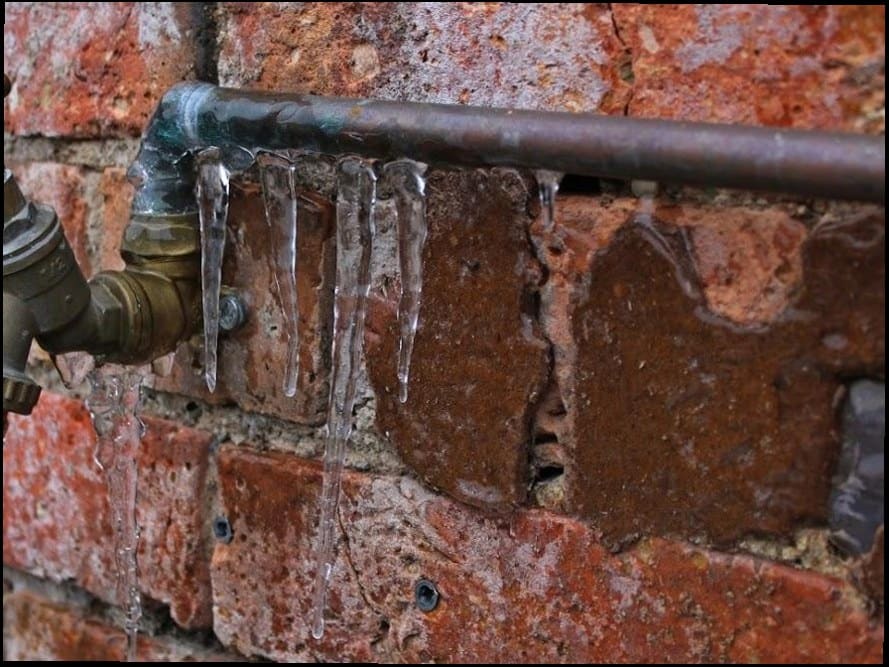
Winterizing your plumbing before Pennsylvania’s first hard freeze means insulating exposed pipes, disconnecting and draining outdoor hoses, knowing where your main shutoff is, and letting faucets drip during the coldest nights. These simple steps prevent the vast majority of frozen and burst pipe emergencies.
Insulate Exposed Pipes
Pipes running through unheated crawlspaces, basements, garages, or exterior walls are the most vulnerable to freezing. Foam pipe insulation is inexpensive and easy to install, and it makes a real difference on the coldest nights.
Disconnect Outdoor Hoses and Fixtures
Leaving a hose connected to an outdoor spigot traps water in the line, which can freeze and crack the pipe back inside the wall. Disconnect hoses, drain them, and if you have older non-frost-free spigots, shut off and drain their interior valve before winter.
Know Your Main Shutoff
If a pipe does freeze and crack, knowing exactly where to shut off your water in seconds — rather than searching during an emergency — limits the damage significantly.
Let Faucets Drip During Cold Snaps
On the coldest nights, letting a faucet fed by a vulnerable pipe drip slightly keeps water moving, which makes freezing much less likely. It’s a small step that prevents a costly one.
Seal Drafts Near Pipes
Check for gaps around where pipes enter your home from outside, and seal them. A draft blowing directly on a pipe can drop its temperature well below the surrounding air.